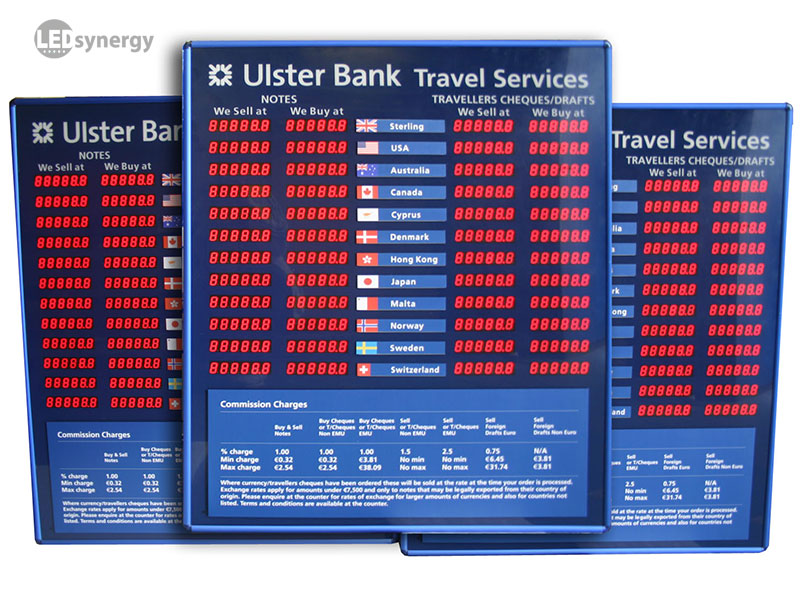
Top 10 Tips On Currency Conversion Fees In Terms Currency Exchange Rates And Exchange Rates
The cost of currency conversion is increasing in importance in a globalized world. They can be an essential element in any financial transaction, whether it's for a trip abroad, conducting business overseas, or managing foreign currency investments. These fees are subject to wide variations depending on factors like the provider, exchange method and the currencies. Learning how to navigate these charges can assist you in saving money and make more informed choices. Below are the top ten details on how to avoid currency conversion fees that will benefit travelers both businesses and investors alike.
1. Different kinds of exchange rates
Conversion fees for currency come in various types. They could be transaction fees, service fees, or exchange rate markups. Service charges can be a percentage of the amount total, while transaction fees are a fixed price for each exchange. Rate markups for exchange occur when the provider has rates that are not as competitive than the market. Knowing the different kinds of charges can aid you in selecting the most appropriate option for your budget.
2. Compare the rates of multiple providers
It's important to compare the rates offered by different currencies before you exchange your currency. Often, banks, currency exchange kiosks, or online platforms can offer different rates and charges. Make use of currency converters for the most current rates, and also to estimate the total cost, which includes fees. This can aid you in determining the best price and could save you an enormous amount, particularly when you are exchanging large amounts.
3. Look for No-Fee Currency Exchange Options
Certain financial institutions and banks provide accounts that allow for free currency exchanges or reduced fees for specific transactions. Online banks and Fintech are among them. They offer account holders a free exchange of currency. Consider setting up an account with such institutions If you often deal with foreign currencies, as this will help you avoid costly charges.
4. Be aware of dynamic currency Conversion (DCC) Charges
If you are using your debit or credit card in another country, you could be offered the option to make payments in your currency by using a program called Dynamic Currency Conversion. It may sound convenient, but it could result in higher conversion fees or unfavorable rates of exchange. If you want to avoid any additional charges and receive the best exchange rates, you should pay using your local currency.
5. No foreign transaction fee credit cards
You will save money when you use credit cards with no fees for foreign transactions while you travel. A lot of travel-oriented credit cards provide this benefit, which allows you to make purchases abroad without incurring additional charges. It is important to select a credit card that offers favorable exchange rates, and one that corresponds to your spending routine. This will enable you to minimize costs when traveling.
6. Consider ATMs when withdrawing currency
If you use ATMs, they could offer better rates than currency exchange kiosks. However, be mindful of potential fees due to both your bank and the ATM operator. Make sure you choose ATMs that have a connection with your own bank to minimize fees. Always make withdrawals in local currency.
7. Plan Currency Conversions to Advance
Avoid exchanges for currency in airports, tourist areas, or other places in which the costs are more expensive. For the best rates and the lowest costs, plan ahead to convert your currency. Explore the top local exchange options and then think about making a small exchange prior to your trip for immediate expenses, while planning to convert larger amounts at better rates when you arrive.
8. Pay attention to the exchange rate trends
If you keep in mind the rate of exchange trend, you can determine the ideal time for currency conversion. Variations in exchange rates can result in varying fees and costs as such, so keeping track of these trends will help you plan your conversions in a strategic manner. You can use previous data to guide your decisions and to take advantage of favorable circumstances.
9. Calculate hidden fees when making transactions
Be aware of hidden fees that aren't immediately apparent. These include service fees, fees to maintain foreign currency accounts and exchange rates that are not favorable. Be sure to read the fine print and inquire to make sure you are aware of all costs in currency conversion. This diligence may help you avoid being billed unexpectedly and could aid in making your decision-making process more efficient.
10. Consult financial experts for significant transactions
If you're planning to carry out large-scale transactions or have to deal with complex transactions involving currency, it may be beneficial to talk financial experts. Experts in currency can offer insight into the best practices for minimising conversion fees and optimizing your transactions. It is essential for international businesses or investors to manage their currency exposure.
These specific tips will allow you better understand currency conversion fees. They can be useful to those who travel in business overseas, or managing investments. Understanding the intricacies of the conversion fee will enable you to make better financial decisions that align with your business or personal goals, ultimately saving you money and enhancing your financial strategies. Follow the top rated exchange rate for website advice including dollar to php peso, rs to usd, convert pounds to dollars, usd to peso, 1 usd in rupees, usd to thb, dollor to inr, usdthb, us dollar to mexican peso, dollar to canadian dollar and more.
Top 10 Payment Tips Methods In Relation To Currency Exchange And Rates
If you're conducting business, going abroad or managing investments, your choice of payment method is essential to effectively manage financial transactions in the current globalized world. The method you select for payment will affect your expenses, convenience and security. Different payment options come with various charges, exchange rates, and acceptance levels that could impact your overall experience as well as your financial outcomes. Knowing the intricacies and differences of payment methods will aid you in making decisions that align with your objectives. The top ten suggestions to help you select and effectively use payment methods in your financial pursuits are provided below.
1. Understanding the various payment methods that are available
Find out about the different payment options that are available. They include mobile and cash payments, as well as digital wallets. Each option comes with distinct advantages and disadvantages such as fees and acceptance. Although cash is widely accepted but it's not the most secure and convenient option for transactions that are large in scale. You can select the best method for you by evaluating the pros and cons of each.
2. Consider Currency Conversion Charges
– Be aware of possible fees for currency conversion when you use your credit or debit card to make international purchases. The fees may differ greatly between banks or credit card companies. Certain cards have fees for foreign transactions, however, others do not. If you plan to travel internationally or purchase items in another country, call your bank or credit card company in advance to inquire about their policies regarding fees for currency conversion. Choose a card that can lower these fees.
3. Make use of credit cards with no Foreign Transaction Fees
If you intend to travel internationally, or buy items using foreign currencies, you should choose a card that doesn't charge transaction fees. Many credit cards that are geared towards travel offer this option, which permits you to use your card in foreign markets without incurring extra costs. This can result in substantial savings, particularly for frequent travellers who might make large purchases abroad.
4. Utilize Mobile Payment Options to Leverage
– Mobile payment options, such as Apple Pay, Google Pay as well as other digital wallets, offer the convenience of making transactions without cash or cards. These services often offer additional security features, such as biometric authentication and tokenization, making them a safe option for both in-person and online transactions. If you're looking to lower your expenditure, think about using mobile payment options, especially for purchases of a small amount.
5. Pay attention to ATM fees when withdrawing money
– If you need to withdraw cash when traveling Be aware of possible ATM charges that differ greatly. Certain banks charge fees for withdrawing money internationally, while others may collaborate with local banks in order to allow fee-free withdrawals. If you're looking to save money, you should research ATM networks that have lower fees. You can also make withdrawals of greater amounts in order to reduce transaction fees.
6. Plan for alternative payment methods
The backup option is crucial to prevent disruptions in the event your primary method fails or gets lost. Have a backup card (credit/debit), cash, or a method for mobile payments in your wallet to continue making purchases. It is essential to have multiple payment options, especially when you are traveling. Certain locations might not accept certain payment methods. Plan ahead can help you to navigate through unexpected situations.
7. Keep track of exchange rates to make better Decisions
When purchasing in foreign currencies it is important to keep an eye out on the exchange rates so that you can make educated decisions as to the best time to convert your currency or utilize payment methods. Tools and apps that monitor exchange rates in real-time will help you identify the most favorable conditions for currency converters. This information can help inform your choice of payment method, especially if you can reduce the cost of conversions.
8. Make sure you are aware of security Features
Security must always be a consideration when choosing payment methods. Check the security measures offered by your bank or credit card provider. Search for fraud protection features, transaction alerts and encryption technologies. Selecting secure payment methods will ensure that you are safe from fraudulent as well as unauthorized transactions, especially when making purchases online or abroad.
Be aware of the payment policy of your business
Knowing the policies for payment of your business is essential for managing cash flows and customer transactions. Examine the various payment processors, their capabilities, fees and acceptance rate. You should choose a payment option that is compatible with your business objectives, whether it's cost-effective transaction fees, speedy processing time or customer convenience. The best payment method can enhance customer satisfaction while streamlining your business.
10. Be aware of investment payment methods
Investors should be aware of the options available to pay for or selling their assets. Different brokerage platforms offer different options for funding your account or performing transactions. Be familiar with the processing times and fees that are associated with each method. Also, you should consider how margin accounts or leveraged investments can affect your financial plan.
Following these detailed tips for payment methods can help you navigate the complexities involved in travelling, conducting business and monitoring your investments. Knowing the various payment options, the fees and security features will enable you to make educated decisions regarding your finances. The best method of payment can ultimately enhance your overall financial experience, provide you with security and peace of mind, as well as can save you money. Follow the best CZK to EUR for blog info including jpy usd, baht to us dollar, jpy usd, usd to cad, gpb to usd, yen to dollar, pound to usd, us dollar to japanese yen, aed to usd, inr to usd and more.